
McKinnon Engineering
Service

Water and Wastewater Troubleshooting

When compliance or production is on the line, we help you act fast to stabilize the situation while defining the long-term solution.

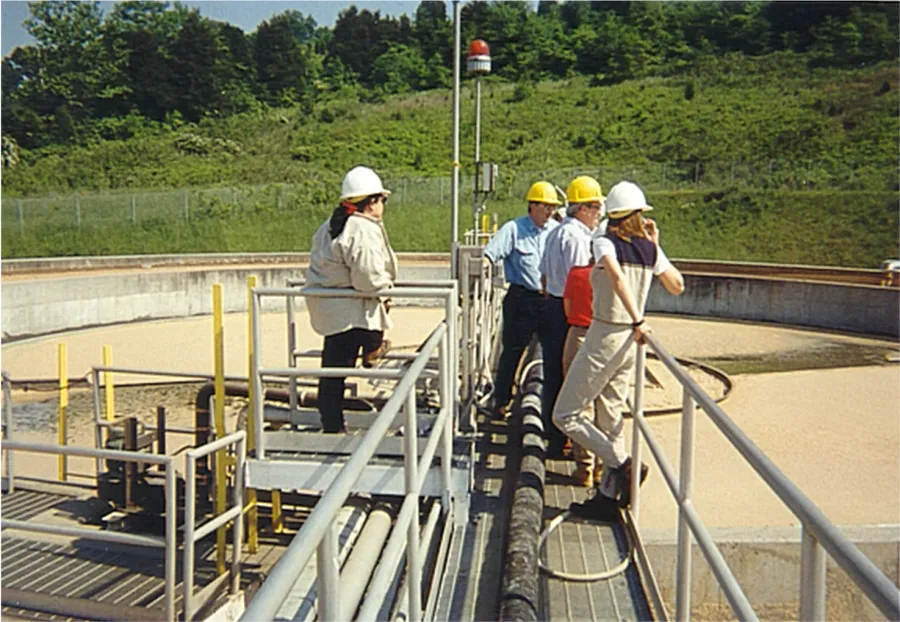
Diagnosing a wastewater treatment process upset on site
Why it matters

Upsets happen — even in well-run plants.

Even with the best processes, equipment, and operators, upsets or unusual events occur. Sometimes they are the result of a string of events or contributing factors that appear unrelated, making it difficult for facility staff to determine the source.

McKinnon Engineering provides industrial wastewater troubleshooting to help you identify the cause and implement the steps necessary to correct it. When a situation requires immediate action to mitigate a compliance risk or prevent production curtailment, we help you implement emergency actions while defining longer-term solutions.

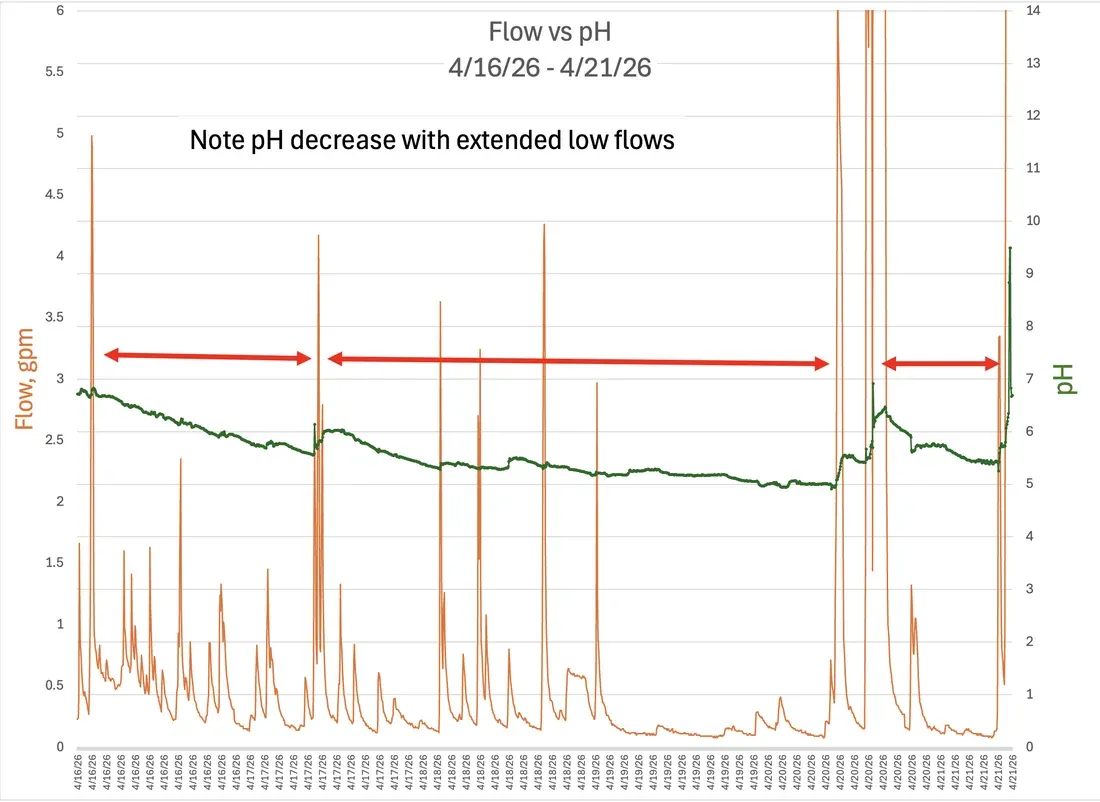
Treatment data trends used to diagnose a process upset
We work from your operating data to pinpoint exactly what changed.
Our approach

A structured path from symptom to solution.

We work the problem methodically — so the fix addresses the true cause, not just the symptom.

  1. 1

    Identify the change

    We start by pinning down exactly what is different from normal.

    • What should the condition be normally?
    • What is different, and by how much?
    • Where do we observe the change?
    • How was the change detected?
    • When did it happen — suddenly or over time?
    • Do data trends reveal gradual shifts?
    • What conditions are still within normal ranges?
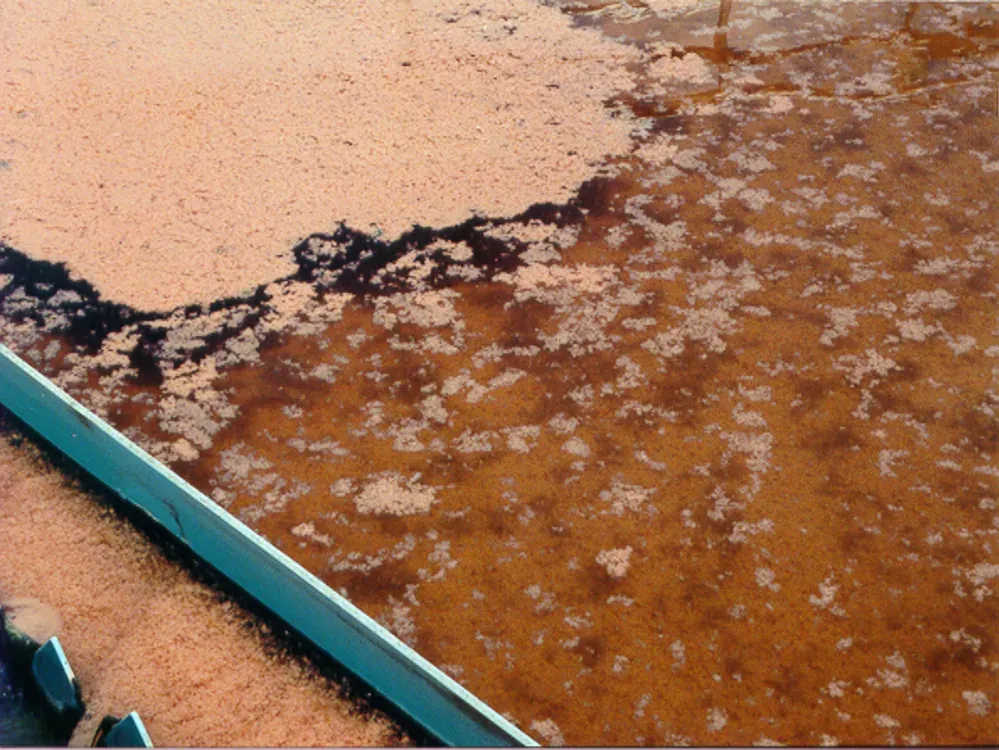
    Mixed liquor solids washout at a treatment plant
    Mixed liquor solids washout.
  2. 2

    Isolate the cause

    Then we identify what could be driving the abnormal condition.

    • Out-of-range process conditions
    • Upsets, spills, or excessive loads from manufacturing
    • Changes in manufacturing processes or chemicals
    • Improper process controls
    • Improper sampling or testing procedures
    • Chemical use problems
    • Equipment failures
    • Operational errors
    • Seasonal impacts
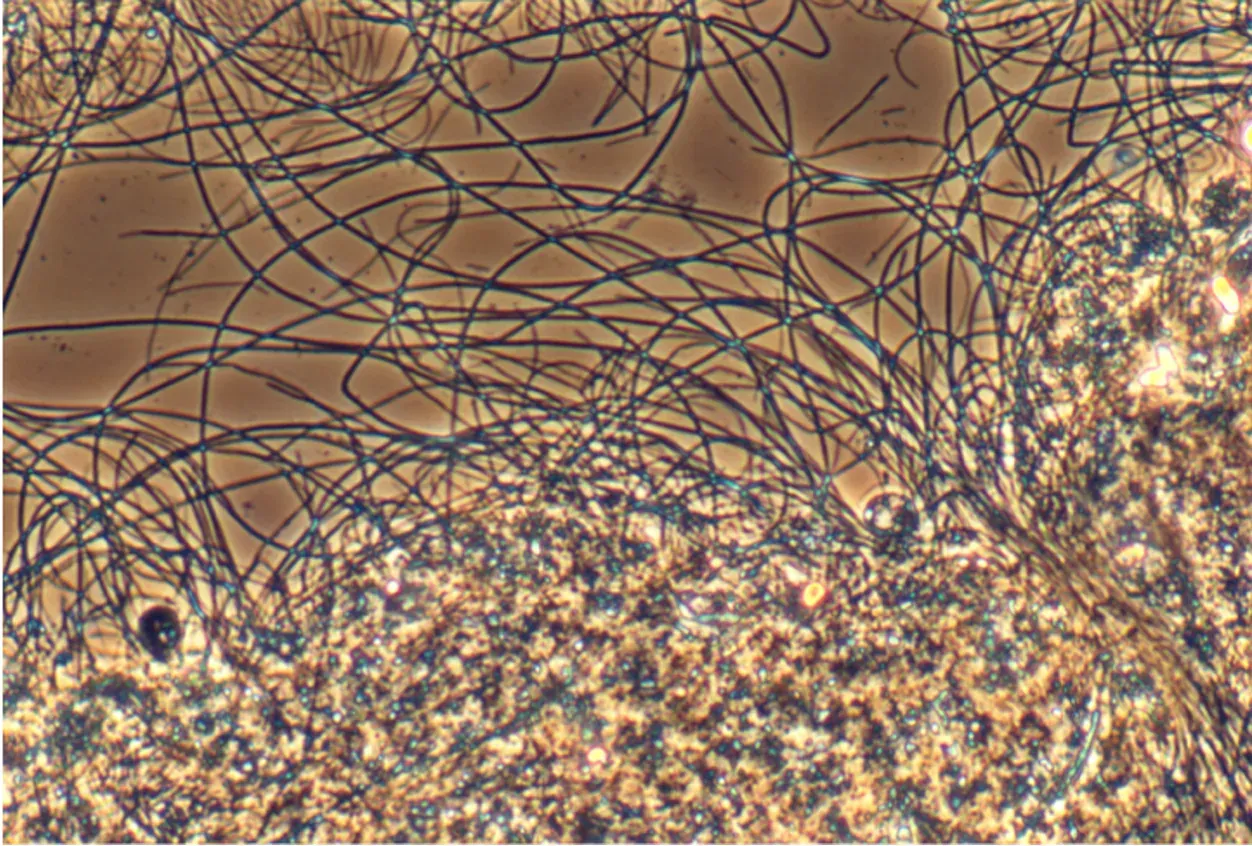
    Filamentous bacteria under the microscope
    Filamentous bacteria infestation.
  3. 3

    Test, correct, and confirm

    We prove out the fix before it becomes your new normal.

    We test each potential cause one at a time to determine the true source, then work with your team to implement short- and long-term corrections.

    After implementation, we monitor the process to confirm the problem is fully solved — and the result can be shared with your other facilities to prevent similar issues before they occur.

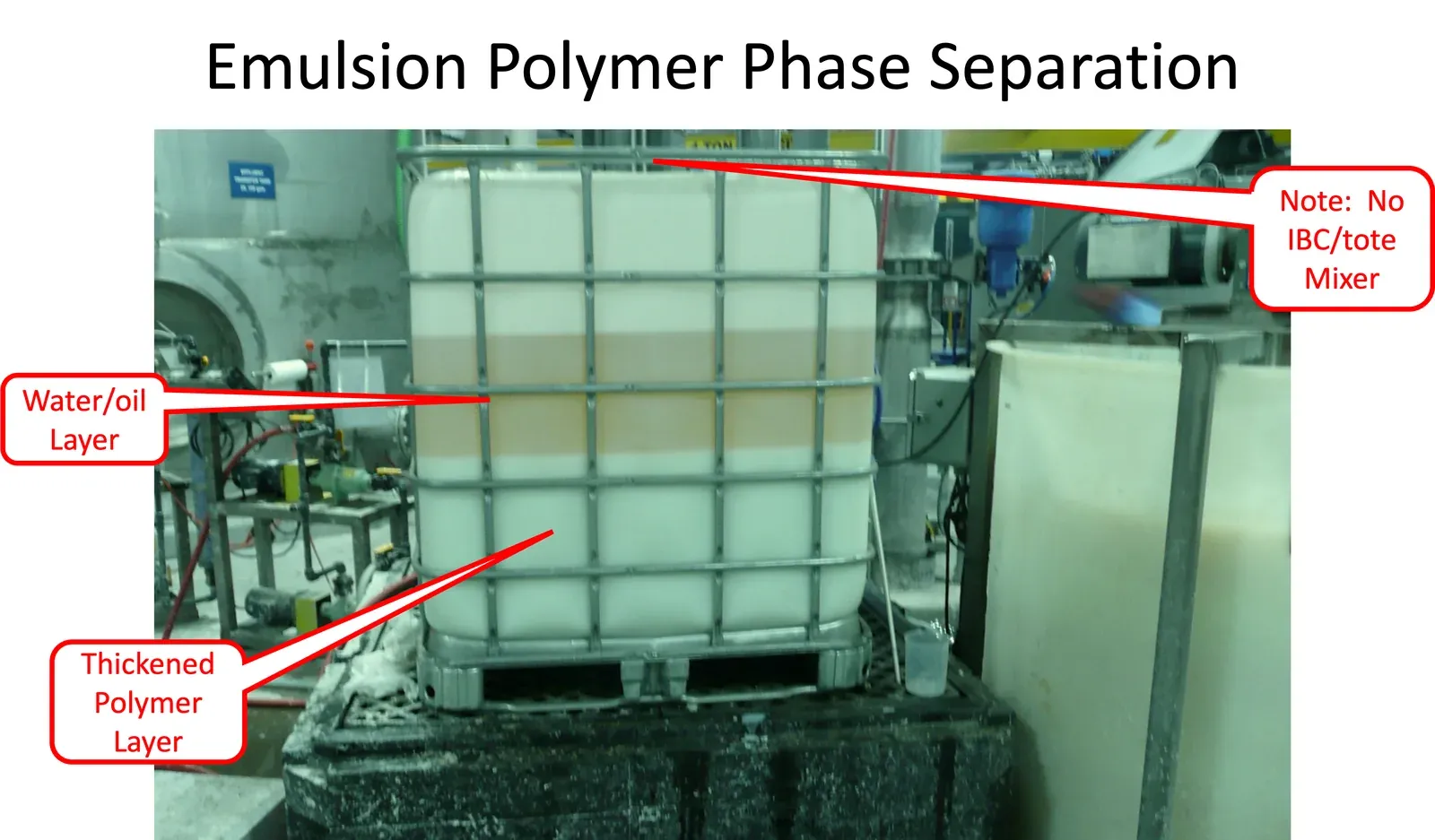
    Polymer tote showing phase separation
    Eliminate polymer phase separation causing poor settling in the clarifier.
Troubleshooting in practice

Real problems, traced to the root.

A few examples of upsets we’ve tracked down and resolved.

Flocculant polymer that kept quitting

A clarifier’s flocculant polymer would suddenly stop working for no obvious reason. On site, Mr. McKinnon identified phase separation in the polymer tote: over time the polymer settled out, leaving a water/oil layer on top, so once the tote drew down to that interface there was no polymer left and clarification stopped — wasting polymer and leaving oily water to dispose of. He gave the client several ways to keep the totes mixed, eliminating both the failures and the disposal expense.

Intermittent low pH at a logistics site

A logistics company had intermittent low pH in the wastewater it discharged to a POTW, with no identifiable cause despite several studies. Mr. McKinnon analyzed the pH and flow data and found the drops were gradual and happened at low flows: long retention times in the site’s oil/water separator created septic conditions that generated volatile organic acids, slowly lowering the pH. He recommended regular dosing of magnesium hydroxide powder — simple and safe, with no risk of high-pH excursions — and, after agreement with the POTW, the client is installing a manual powder feeder.

Sulfide a refinery couldn’t shake

A petroleum refinery’s activated sludge system removed the conventional pollutants but could not reliably eliminate sulfide in its treated effluent. Mr. McKinnon found the design adequate for the loading, but the dissolved oxygen wasn’t consistently high enough to oxidize the incoming sulfides. He advised running the blowers at full capacity to match DO to the sulfide load; sulfide is now at acceptable levels, and the site is adding redundant blower capacity as a safety factor.