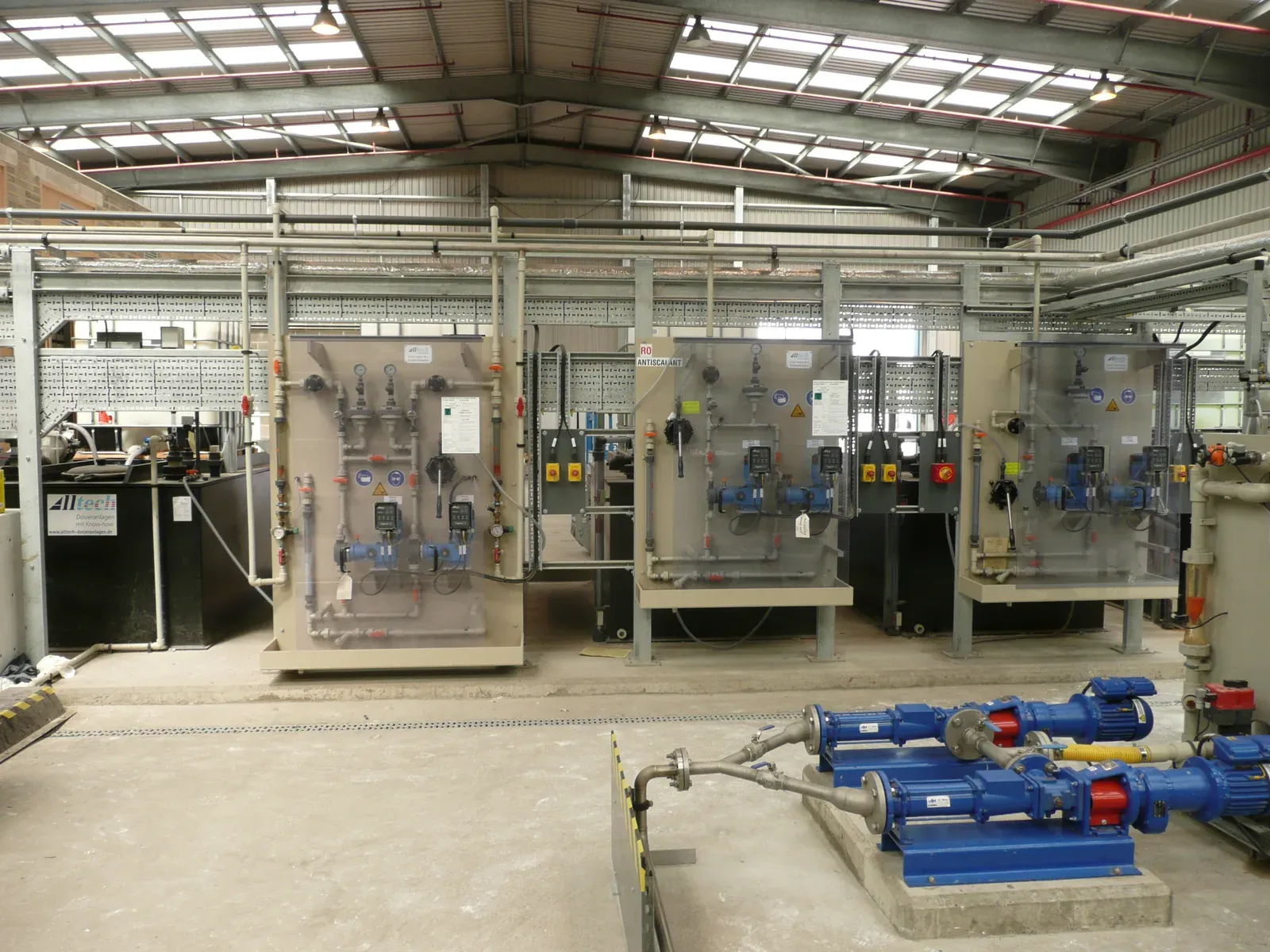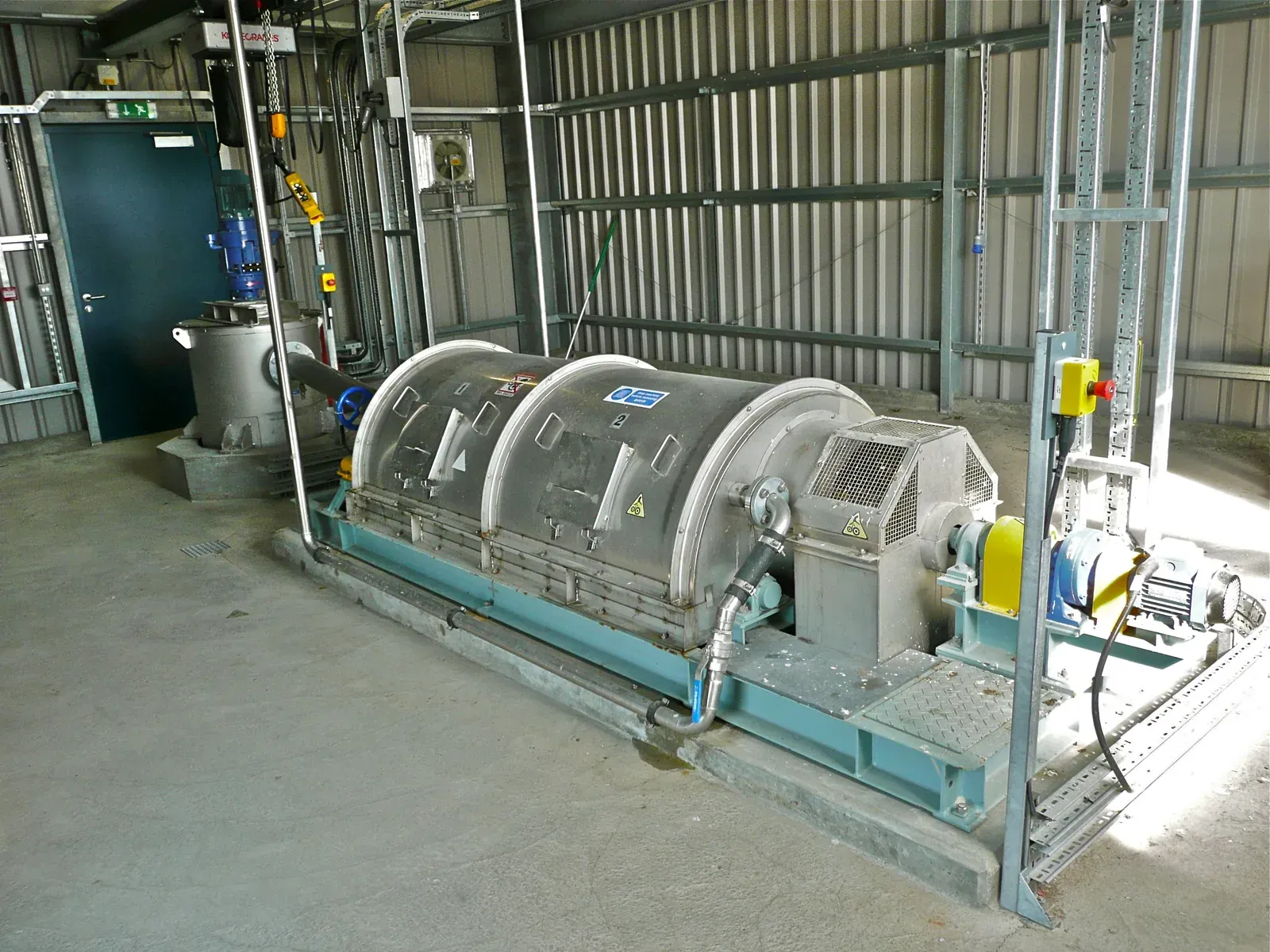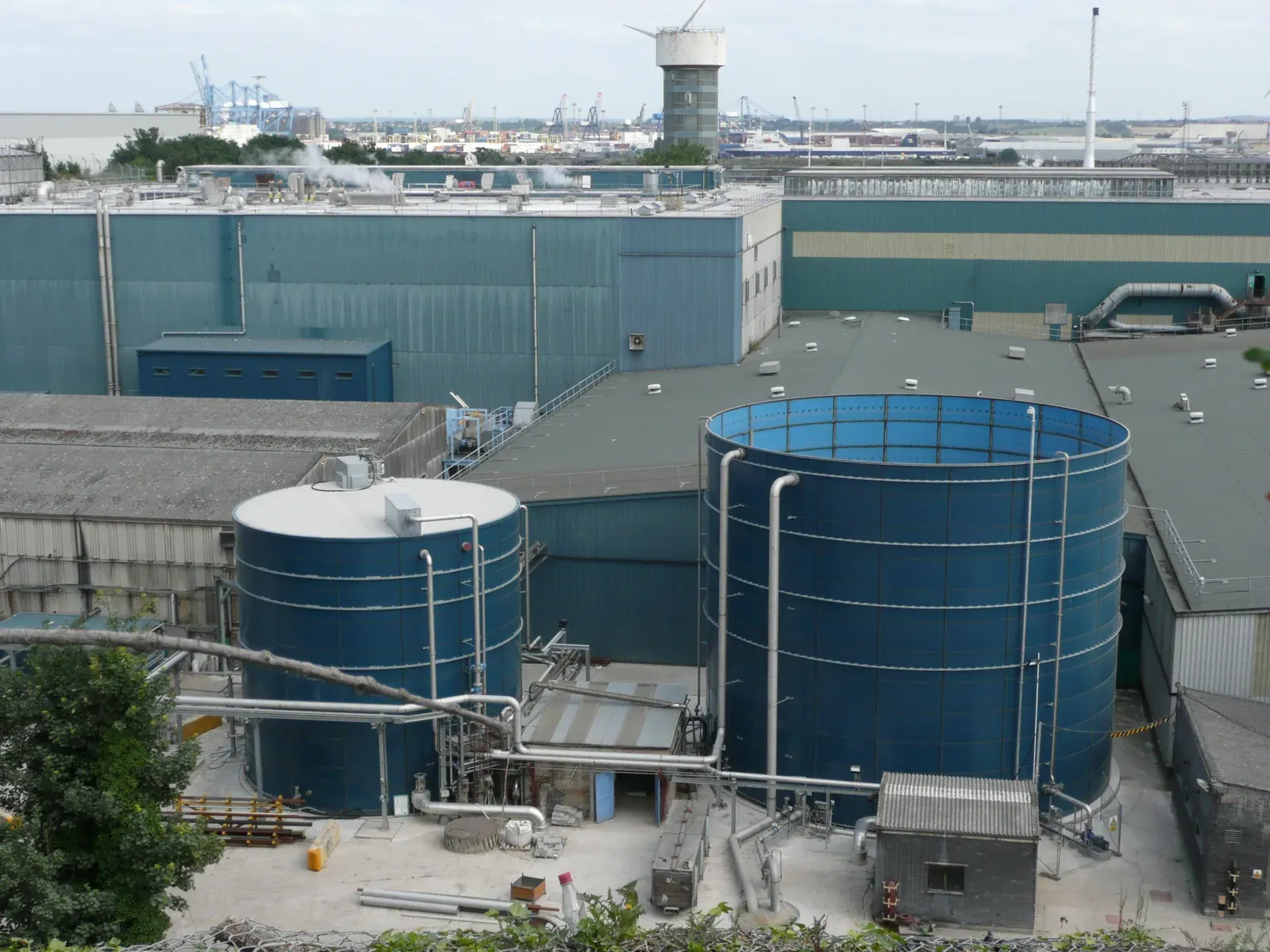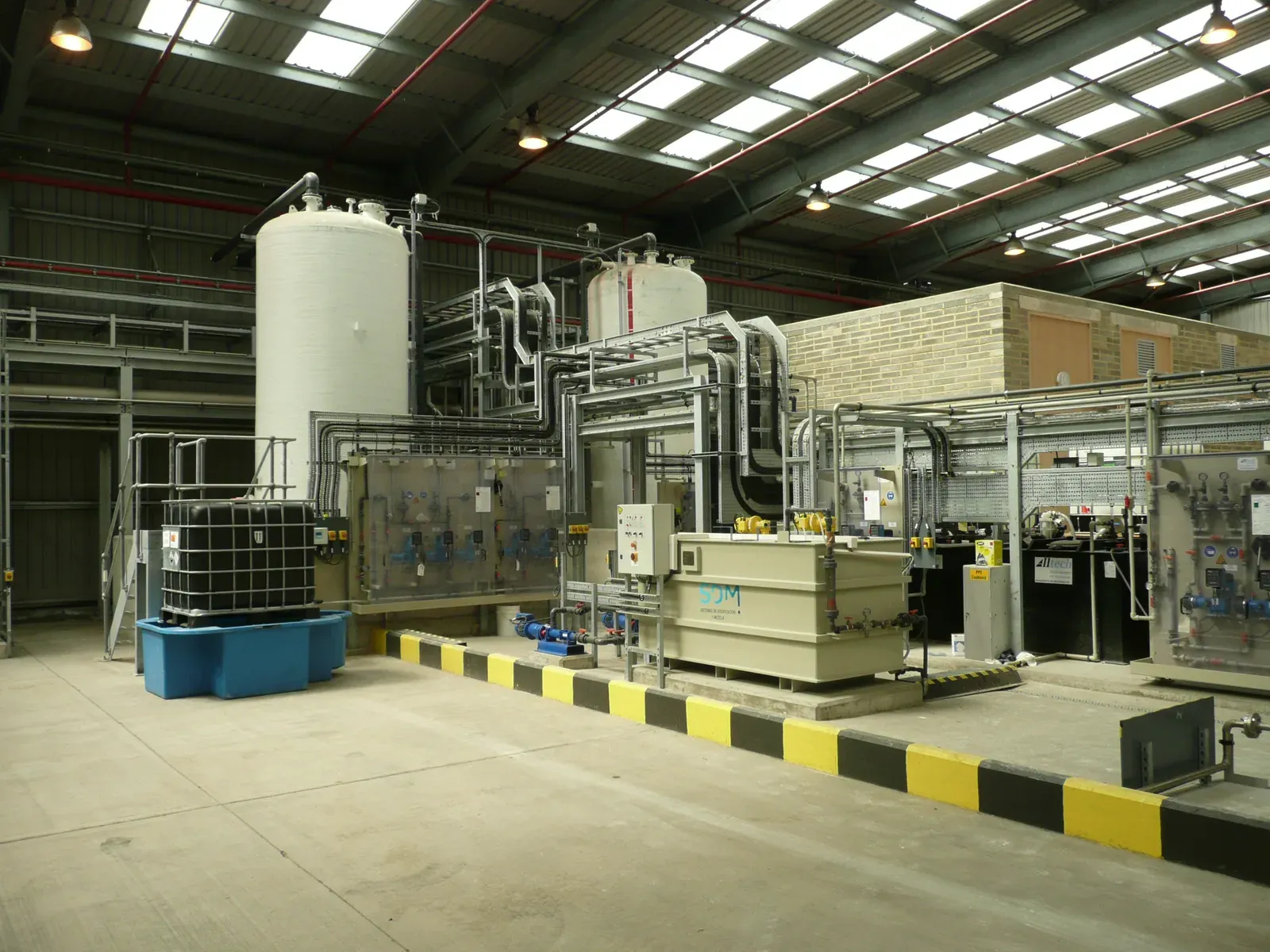
Process and Equipment Design
A design guided by a comprehensive engineering evaluation up front means fewer expensive upgrade and replacement costs later.
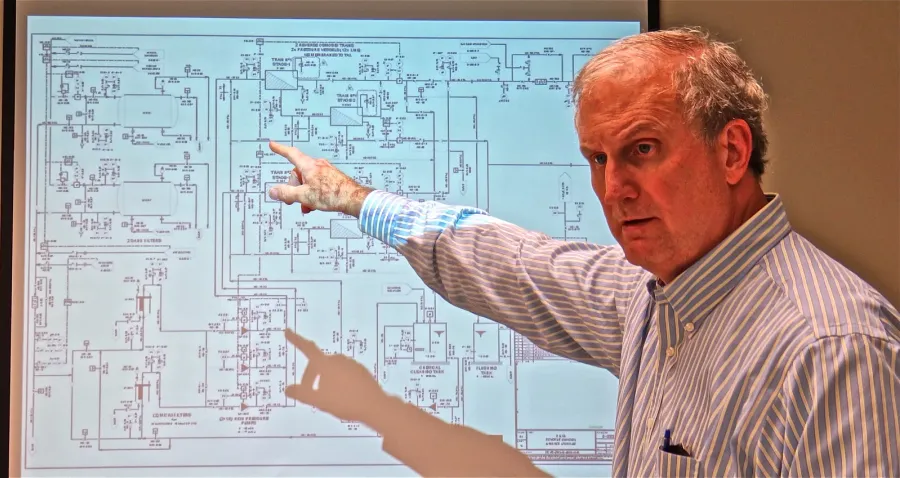
The right design the first time saves you twice.
Reliable, cost-effective wastewater treatment system design depends on a complete understanding of site conditions and variables. Skipping that research often results in systems with inadequate capacity, or systems that can't handle peak loading or upset conditions.
Put simply, a design project guided by a comprehensive engineering evaluation decreases the likelihood of expensive upgrade and replacement costs down the road.
Research first, recommend second.
We account for every finding so you can make an informed decision — the service you need within a budget you can anticipate.
- 1
Assess site conditions and inputs
Before recommending anything, we build a complete picture of your facility.
- Production types, grades, rates, and schedules
- Planned maintenance shutdowns
- Water use and wastewater generation rates
- Physical and chemical characteristics
- Daily flow and loading variability, peaks, and upsets
- Seasonal variations
- 2
Define requirements and desired outcomes
We confirm exactly what the system needs to achieve.
- Regulatory compliance requirements
- Desired water or effluent quality
- Water use reduction and effluent recycling
- Residuals handling and disposal
- Labor and automation
- Facility footprint
- 3
Evaluate process and equipment options
Then we compare the options against every factor that matters.
- Unit operations and capacities
- Process components and modules
- Equipment comparisons and options
- Instrumentation
- Controls
- Reliability and ability to meet requirements
- Maintenance requirements
- Labor requirements
- Capital costs
- Operating costs (chemicals, energy, labor, lab)
- Safety, access, confined space, guarding, and ergonomics
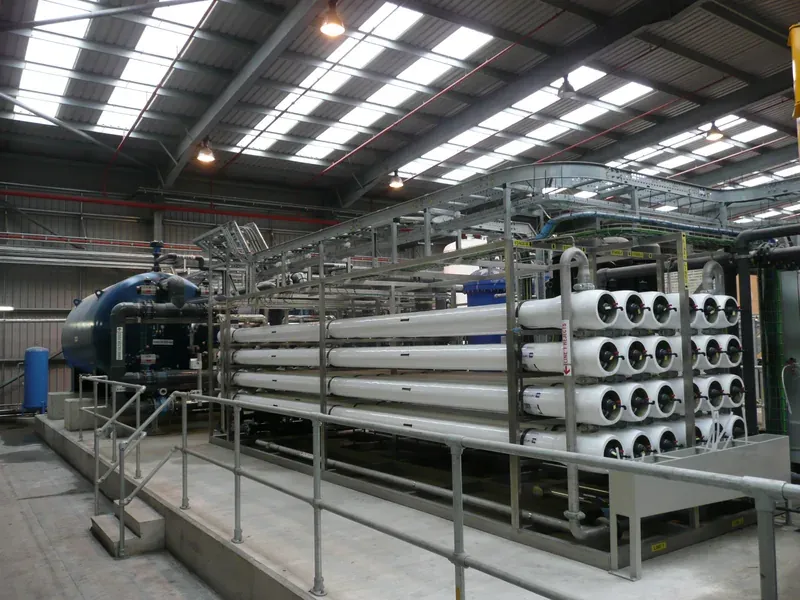
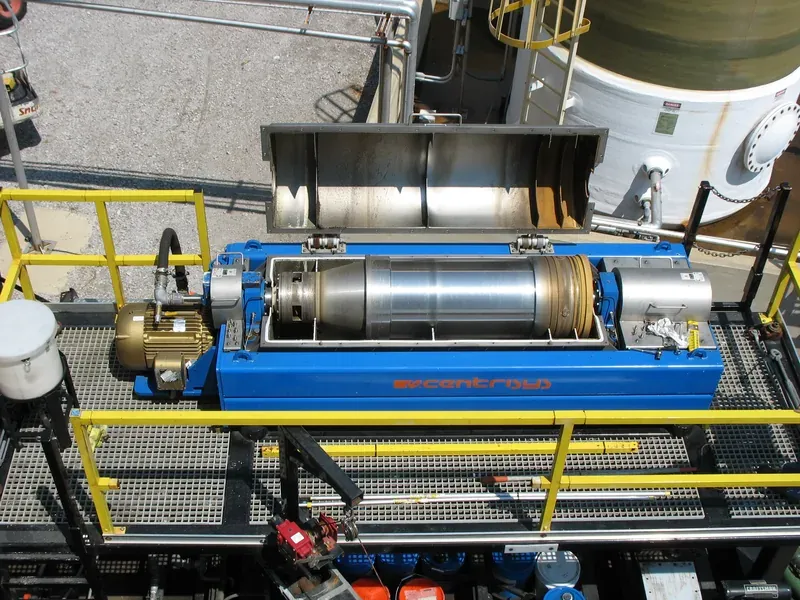
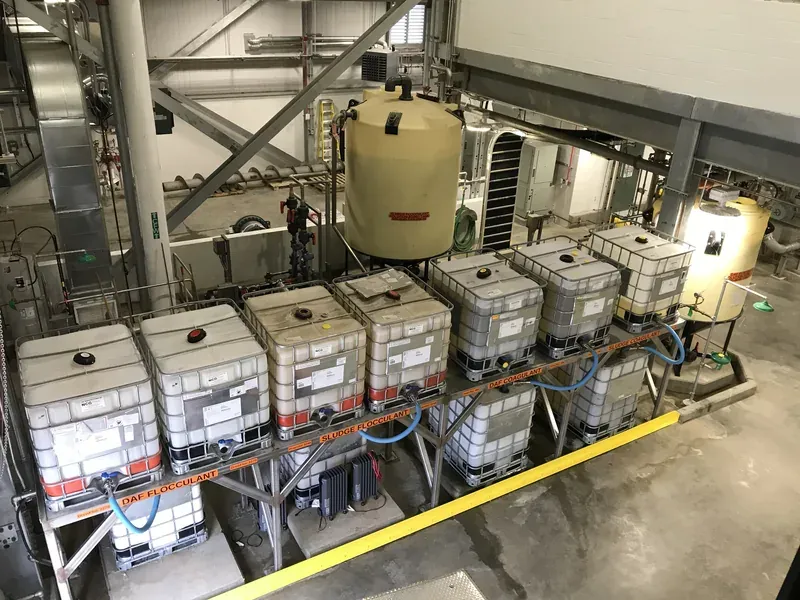
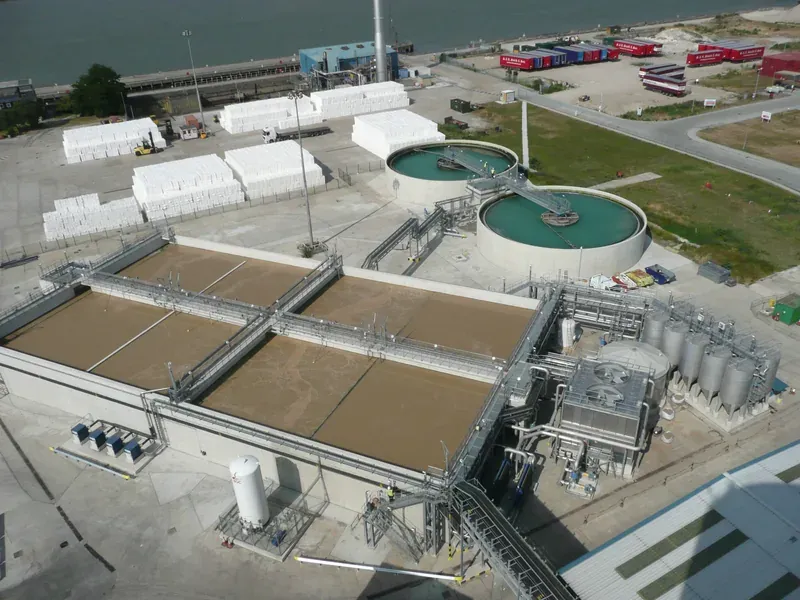
Systems we've designed and installed