
Water Supply for a Honduran Children's Home
Pro-bono project · Community impact
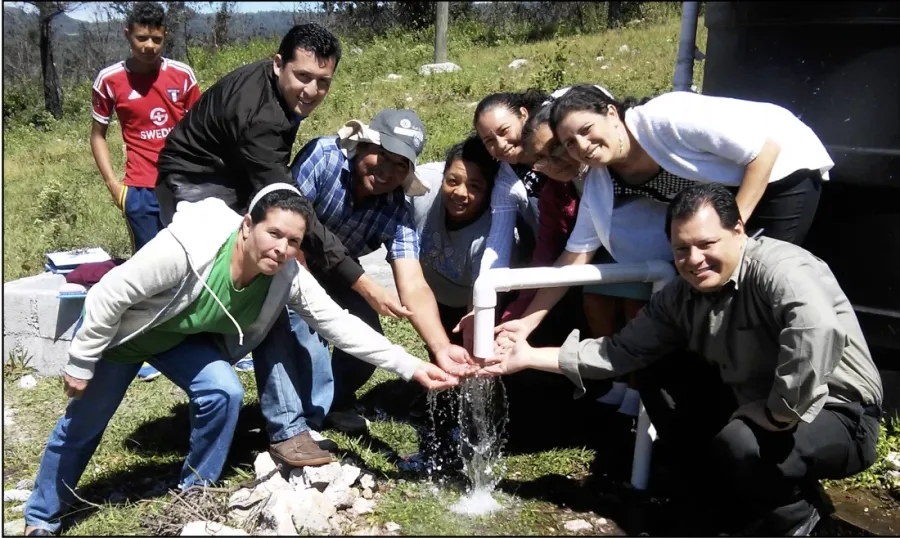
A children’s home without dependable water.
A Christian children’s home in rural Honduras had no water supply on its remote hill site. Water had to be purchased and trucked in several times a week at great cost to the NGO that built and operates the home for abused, abandoned, and orphaned children. Earlier attempts to drill deep wells on the site came up dry.
John McKinnon had joined numerous church mission trips to help build the cottages that house the children. He saw that the cabins relied on barrels for washing and flushing, and on expensive bottled water for drinking — and made finding a reliable source of water for the home his personal mission.
Eight years, start to finish.
John began a series of site visits on his own to investigate nearby water sources. The local stream was too small and too contaminated by agricultural runoff; adjacent downhill properties were too expensive or not for sale. Widening the search with the NGO’s local director, he surveyed the topography and hydrology of the valley below the home and found a site at its lowest point that showed evidence of the underground water feeding the local stream and springs. The land was purchased and prepared for drilling.
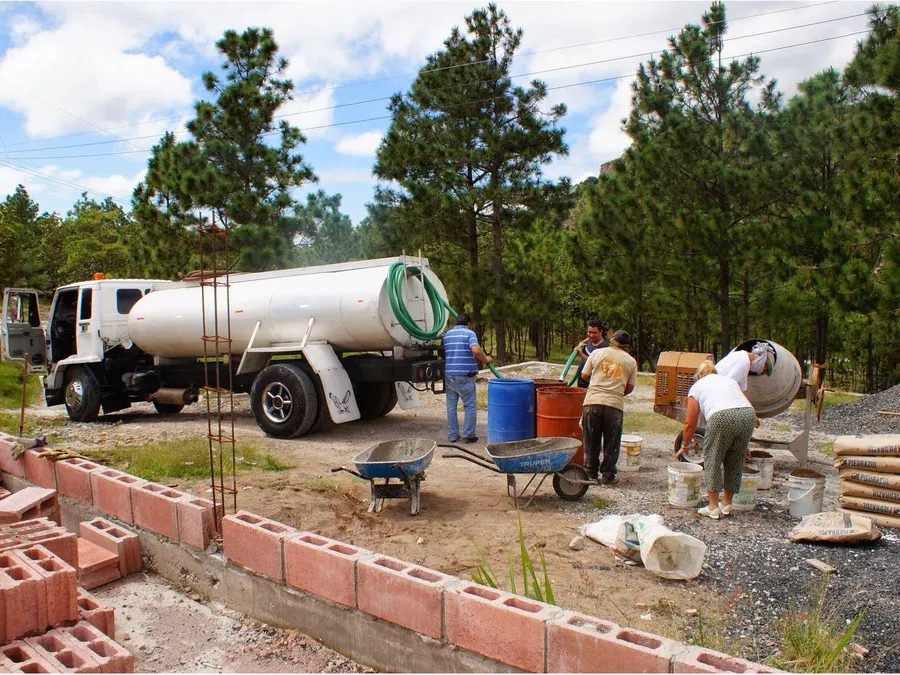
Mission teams built up the site elevation and a retaining wall so a drill rig could reach it. A 220-foot well was drilled and produced flow that far exceeded expectations — and testing showed water quality easily meeting U.S. EPA drinking-water standards with no treatment required. John then helped with grant applications, site approvals, and worked with Water Missions International on the detailed design of a mile-long pipeline up the hill to the site.
A fire that changed the design
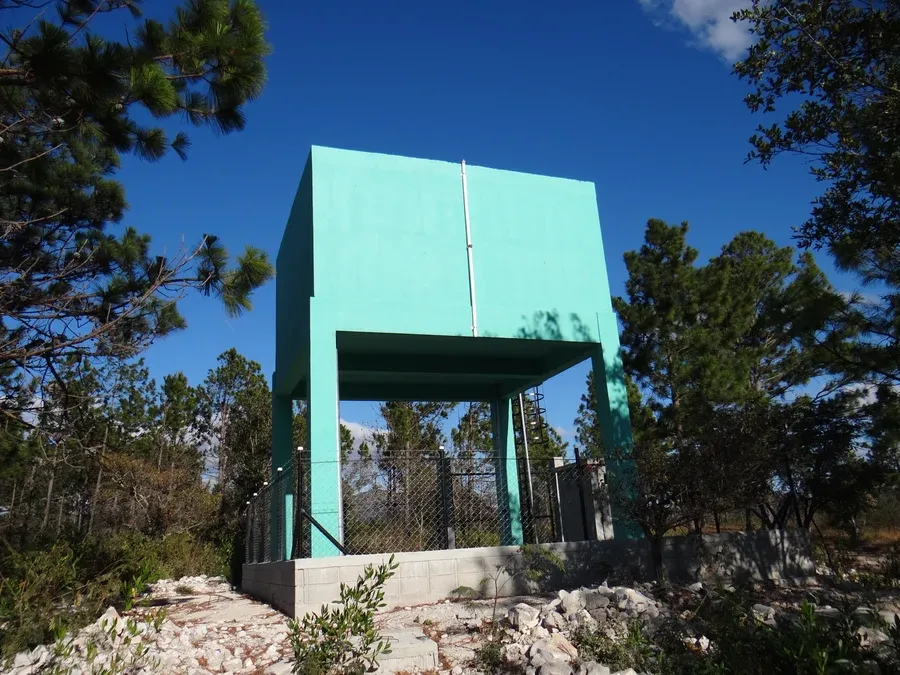
Midway through, an electrical fire burned a bedroom in one of the cottages, hospitalizing a bed-ridden child and a chaperone and badly burning an attendant who fought it with a bucket and the cottage’s water barrel. John was on site that night. Convinced the system needed enough water at real pressure to help fight a fire, his calculations and persistence led the team to add a large elevated tank at the top of the hill, with piping to every cottage to support firefighting hoses.
The design grew to a 17,000-gallon elevated concrete tank built to earthquake standards — with extra rebar and high-strength concrete beyond code as a safety factor — plus a tablet chlorinator to keep the stored water pure. John stayed involved throughout, reviewing plans, the piping array, and weekly construction photos as the tank went up.
Reliable clean water, on site.
The system now supplies every building on site — cooking, laundry, showers, and toilets — and every cottage has water heaters and washing machines. A tap at the site entrance provides neighbors with free clean water. The elevated tank has delivered the flow and pressure to fight grass fires that threatened the cottages, and it provides irrigation for growing food crops.
Inspections years later show the tank remains clean and safe, and the water is good and safe to drink — even for the visiting mission teams.